
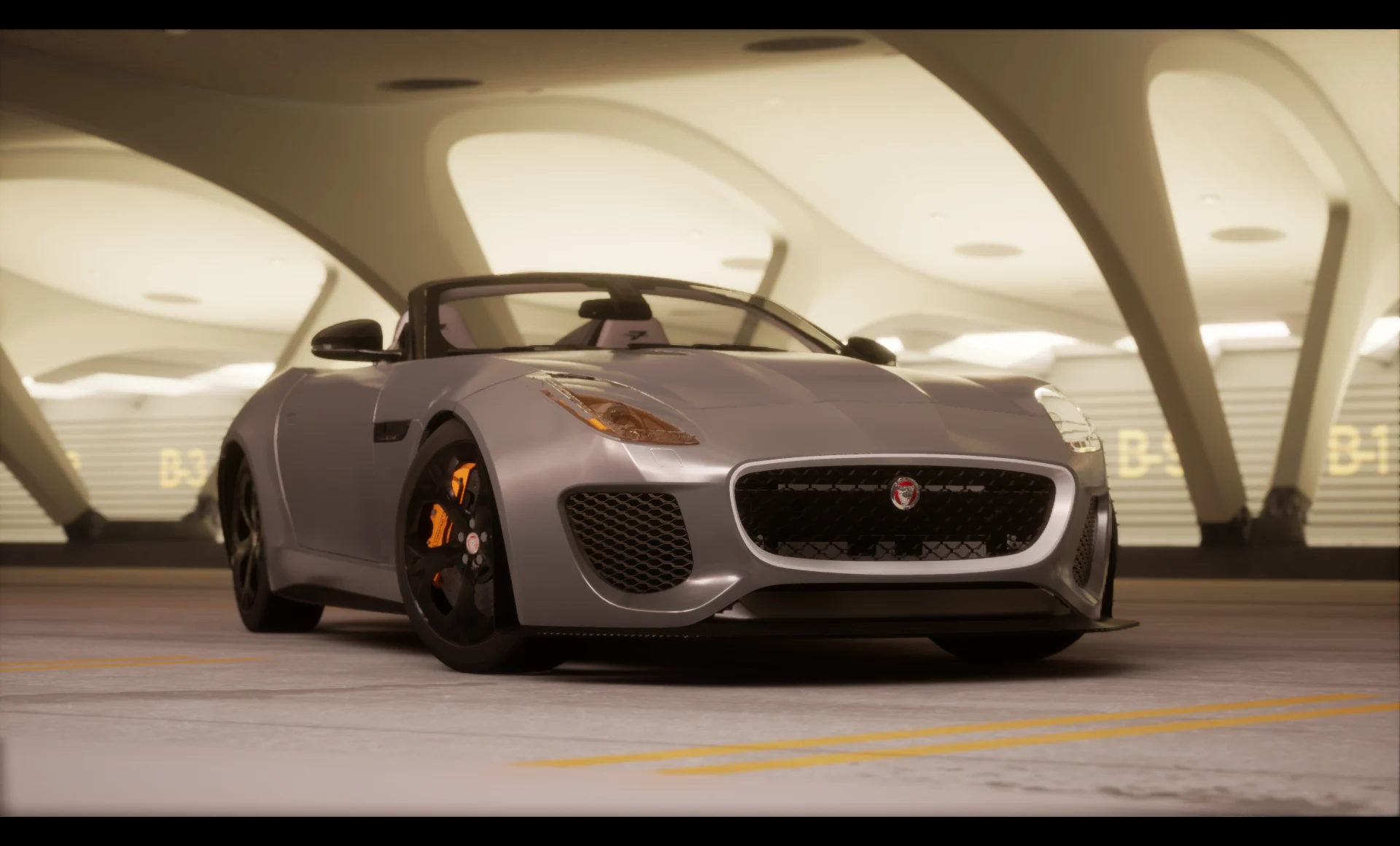
The term gets used for very different things, so it helps to start with what it is not. A digital twin is not a handsome render of a product. A render is a photograph of something that doesn’t exist: you look at it. A digital twin is a model you can interact with, one that behaves the way the real object would: it opens, it assembles, it comes apart, you walk around inside it and it responds to what the user does.
The practical difference: looking versus testing
That distinction sounds subtle and isn’t. A render validates appearance. A real-time interactive model validates use: whether the operator can reach the control, whether the door hits the column, whether maintenance can be done without stripping half the machine, whether two people fit in that corridor at once. These are questions a drawing answers badly and a building site answers expensively.
The real-time graphics engine is what makes that interaction possible. It is not an aesthetic choice: it is the difference between an image that takes hours to compute and an environment that answers instantly to whoever is using it.
When it pays for itself
- When the physical prototype is expensive or slow. If building a test version takes weeks, every iteration resolved digitally is time not lost.
- When it has to be shown before it exists. Sales, trade fair, board, end client: the product can be walked through months before there is one.
- When the object is too large to bring along. You cannot take a production line to a meeting. You can take its twin.
- When the same model will have several lives. A good model goes on to serve the manual, the training, the sales material and the spare parts. Which is why it is worth building properly the first time.
What you need to start
If the CAD already exists, much of the road is behind you: you start from the real geometry and optimise it to run in real time, which is a different job from designing. If it doesn’t exist, it gets surveyed — by photogrammetry if the object is built, or from drawings if it isn’t. We saw this in the industrial design project, where the model is walked and examined, and in NeoCK.
One useful warning: a CAD model rarely works as it stands. It was built to be manufactured, not to be drawn sixty times a second. That conversion is part of the work and belongs in the budget from the outset.
If the twin also has to train somebody, the approach changes and it is worth reading when a training simulator pays off. And if you want to see how we apply it, the engineering and product page covers this kind of commission.
Tell us what product you have on your hands and what stage it is at: that is enough to know whether a digital twin helps or whether it is still too early.