
Among people who don’t work with this every day — and especially anyone new to headsets — virtual reality and 360° video get mixed up constantly. They can look like the same thing. They are not.
Start with the capture. A 360-degree video is filmed with dedicated kit: several cameras, or one camera with several lenses. What comes out is a video that plays across the whole of your field of view at once. The viewer turns their head — or drags with a phone or a mouse — and looks anywhere in the scene.
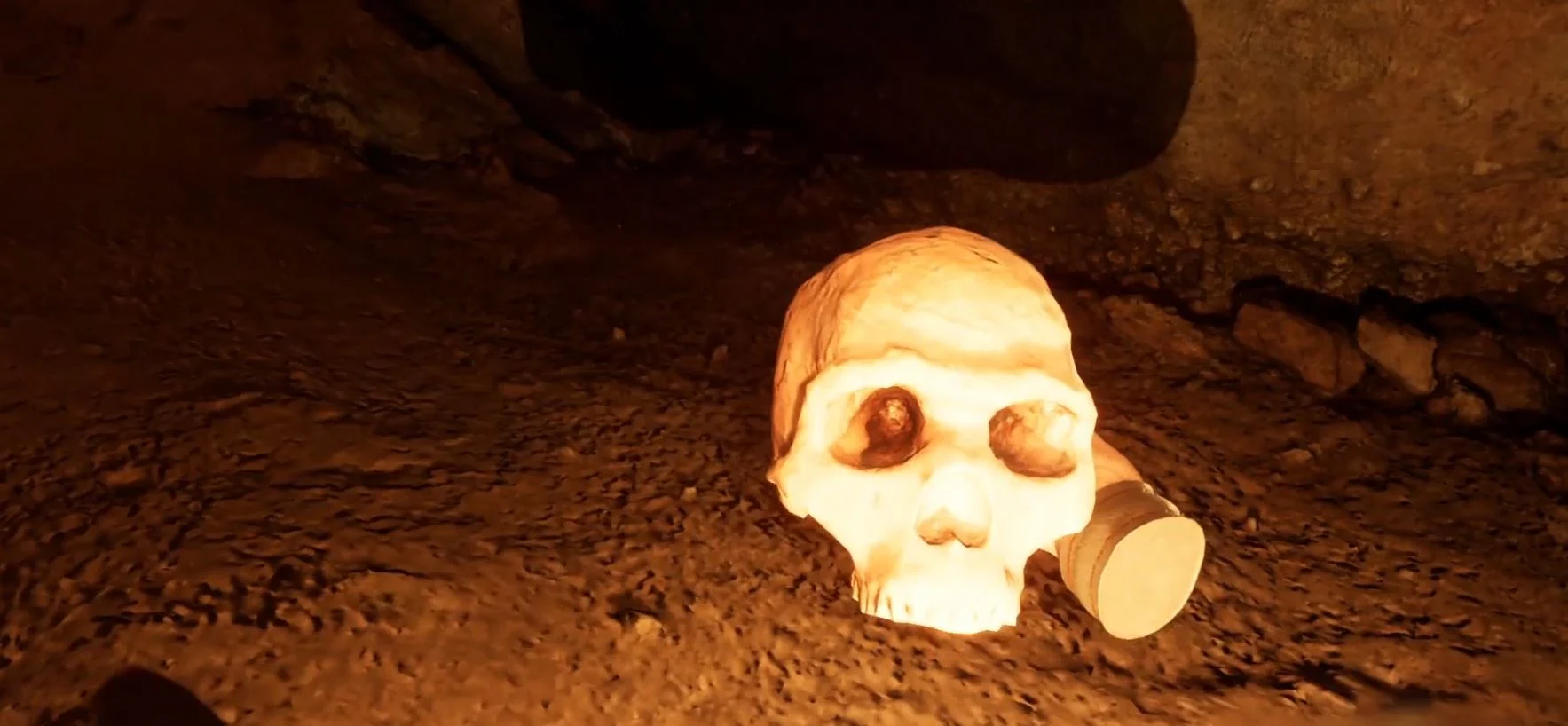
Virtual reality is something else: an entirely new world built in 3D by programming it, which the user enters through a headset. Because it starts from nothing, there is effectively no limit on what the experience can be. Objects can be made interactive, and the user moves through the space freely.
The core difference in how immersive each one feels comes down to that: VR is three-dimensional, so it produces a sense of depth that 360 video cannot. And in a 360 video the only interaction available is turning to look — you are anchored to the exact spot the camera stood on. VR lets you walk.
If you already know you want more than a panorama — the user moving, handling things, making decisions — the next step is purpose-built virtual reality. And if you are still weighing up which one fits what you need to show, we go into it in virtual or augmented reality: how to choose.